

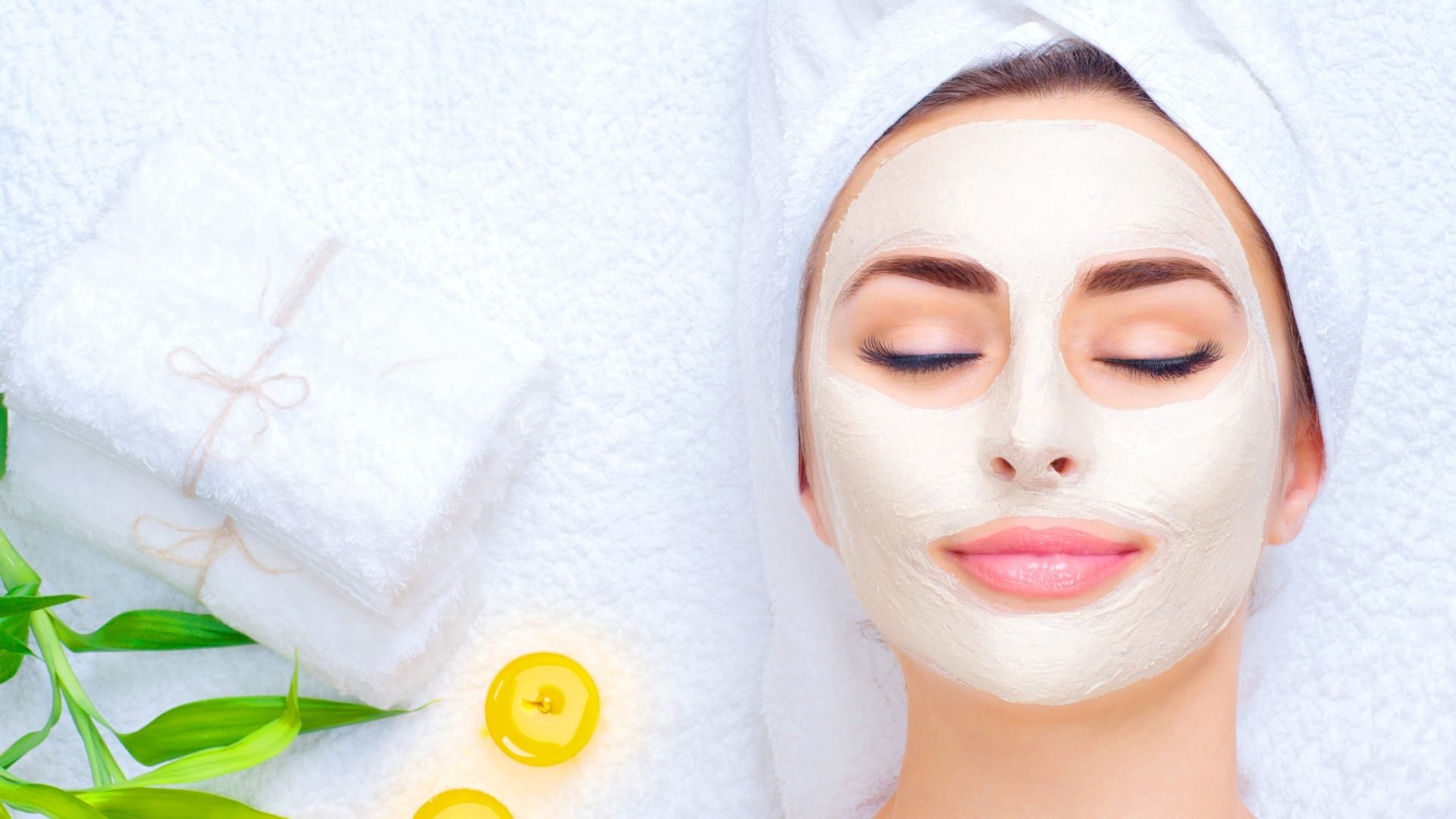
Facial Mask Benefits: Unlocking the Power of Skincare Masks
Estimated reading time: 6 minutes
Key Takeaways
- Facial masks deliver concentrated skincare benefits, such as hydration and nourishment.
- Different types of masks address various skin concerns: hydration, detoxification, and nourishment.
- Studies indicate significant improvements in hydration, elasticity, and skin appearance with mask usage.
- Incorporating masks into your skincare routine can enhance your skin’s overall health.
Table of contents
**Facial mask benefits** are the advantages you gain from applying masks in your skincare routine, such as enhanced hydration, wrinkle reduction, and improved skin elasticity. Skincare masks have become increasingly popular because they deliver concentrated ingredients deeply into the skin, resulting in quick visible improvements like radiance and smoothness. As many seek targeted solutions for aging and environmental damage, incorporating masks can be transformative in your skincare arsenal. This guide will explore the purpose of face mask skincare, its types, specific facial mask benefits, scientific explanations, and practical tips to help you make the most of your skincare routine. For more transformative insights into these benefits, see this link.
Understanding Facial Masks in Skincare
Definition of a Face Mask
A face mask is a topical treatment applied to the skin for 10-20 minutes, designed to infuse active ingredients more deeply than regular skincare products. It’s a temporary but powerful way to address specific skin concerns by delivering nutrients and hydration directly where they’re needed (Cleveland Clinic).
Types of Facial Masks
Different facial masks cater to specific skin needs:
- Sheet Masks: These are fabrics soaked in serum that primarily deliver hydration. They are user-friendly and offer quick hydration boosts without needing rinsing.
- Clay Masks: Ideal for oil absorption and detoxification, these masks draw out impurities and can help calm inflammation by removing excess oils and toxins.
- Cream Masks: Aimed at nourishment and repair, cream masks are rich in oils and emollients, which are perfect for soothing dry or irritated skin.
For more details on mask types and to choose the best one for your skin, explore this comprehensive guide and also see Cleveland Clinic and Healthline.
General Purpose of Masks
The core purpose of a face mask is to provide an occlusive layer on the skin, which improves absorption of active ingredients into the pores. This helps to effectively address specific skin concerns like dryness, redness, or inflammation (Cleveland Clinic).
Facial Mask Uses
Facial masks can be integrated into various scenarios:
- Hydration: Use sheet masks post-sun exposure.
- Detoxification: Post-workout clay masks can help cleanse pores.
- Nourishment: Cream masks are perfect for soothing irritated skin in windy or cold weather (PMC Article, Healthline).
Detailed Discussion on the Benefits of Face Masks for Skin
Benefit Categories
Facial masks offer multiple benefits across several categories:
- Hydration: Studies indicate an immediate hydration increase of up to 51% following mask use.
- Nourishment: Active ingredients such as ceramides and antioxidants serve to nourish and rejuvenate the skin.
- Detox: Facial masks help in detoxification by reducing transepidermal water loss (TEWL), which is crucial for maintaining moisture balance.
- Anti-Aging: Elasticity improvements and reduced wrinkles are reported, with studies showing a 17% increase in skin elasticity.
- Brightening: Masks can significantly enhance gloss and reduce redness, thereby lessening pigmentation issues (PMC Article, Cleveland Clinic).
To further understand the transformative advantages of these treatments, explore this link.
| Benefit Category | Key Improvements (from Studies) | Supporting Evidence |
|---|---|---|
| Hydration | 51% immediate; 43% at 28 days | Corneometer measurements – Source |
| Barrier Repair | TEWL down 16.76%; dryness alleviated | Half-face trials vs. controls – Source – PubMed |
| Anti-Aging | Elasticity +17%; wrinkles reduced | 3D imaging of under-eye/crow’s feet – Source |
| Brightening | Gloss +87%; redness -11% | VISIA analysis – Source |
How Facial Masks Work: The Science Behind the Skincare
Key Ingredients
Facial masks incorporate essential ingredients like hyaluronic acid for hydration, ceramides for barrier repair, and antioxidants to fight free radicals. These components are specifically chosen for their benefits to various skin layers (PMC Article, Healthline). For a closer look at these components, check out this link.
Mechanism of Action
Masks act by creating an occlusive layer that boosts penetration of active ingredients, reduces TEWL, and enhances skin barrier function. This strengthened barrier helps defend against environmental stressors, while promoting skin health at the cellular level.
For example, a cross-section diagram of the skin layers illustrates how using a mask can drive nutrients more deeply than regular creams, thus proving more effective (Cleveland Clinic).
Practical Tips for Incorporating Face Masks Into Your Skincare Routine
Here are steps to effectively enjoy the facial mask benefits:
- Cleanse your face thoroughly to remove all makeup and impurities.
- Apply the mask evenly, taking care to avoid the sensitive eye area.
- Leave the mask on for 10-20 minutes, allowing the active ingredients to infuse.
- Remove the mask and gently pat any remaining serum into your skin, then follow with a moisturizer.
- Incorporate masks into your routine 1-3 times a week, tailoring usage to your skin type. For a complete guide on how to use masks effectively, visit this link (PMC Article, Cleveland Clinic).
Best Practices and Misconceptions
- Use sunscreen daily along with masks to protect your skin.
- Avoid overuse to prevent irritation; masks should complement, not replace, daily care.
- Choose the correct mask type for your skin’s needs to prevent exacerbating conditions such as dryness (Healthline).
Conclusion
In summary, implementing face masks in your skincare routine provides significant facial mask benefits like hydration, barrier strengthening, anti-aging, and enhanced radiance. Clinical trials support these results, with evidence of up to a 51% increase in hydration and noticeable reductions in wrinkles. For more details on achieving healthier and glowing skin through masks, visit this link.
To maximize these outcomes, select masks tailored to specific skin concerns, like hydrating sheets for dryness or clays for oily skin. Experiment and observe improvements, sharing your experiences in the comments.
Additional Resources
- Explore a detailed study on multi-component masks showing hydration and anti-aging benefits: Read more.
- For dermatology expert insights on mask types: Healthline Guide.
- Learn about barrier repair studies combining masks and creams: Wiley Publication, PubMed.
FAQs
- Do facial mask benefits last? Yes, initial hydration gains can persist with regular use. PMC Source
- Are they safe for sensitive skin? Clinical trials suggest masks are generally safe, causing no irritation in most participants. Cleveland Clinic
- How often should I use facial masks for best results? Aim to use 1-3 times a week to achieve optimal benefits (Cleveland Clinic).
By integrating these facts and tips, you can revolutionize your skincare routine with various types of facial masks. Their practical applications guided by science and research can offer extensive skincare support.
Additionally, if you’re interested in creating your own mask at home, consider exploring more DIY recipes on facial face masks at home, such as those found here: this link.