

Stress and Skin Care: Managing Oily Skin Triggered by Stress
Estimated reading time: 6 minutes
Key Takeaways
- Stress significantly impacts skin health, especially for individuals with oily skin.
- Cortisol, released during stress, increases sebum production leading to exacerbated oily skin conditions.
- Incorporating stress management techniques can improve skin conditions.
- Developing a targeted skincare routine is crucial for individuals experiencing stress-related skin issues.
Table of contents
Understanding Stress and Its Impact on Skin
Stress is a natural response the body has to perceived threats. When we’re stressed, the hypothalamic-pituitary-adrenal (HPA) axis activates, releasing hormones like cortisol. This process helps deal with the stressor but can have unintended consequences on our skin.
- Increased Inflammation: Stress elevates inflammation levels in the body, which can lead to various skin issues.
- Impaired Barrier Function: The protective barrier of your skin can become compromised, losing moisture and becoming more susceptible to irritants.
- Altered Immune Responses: Stress can interfere with the skin’s immune function, making it less effective at warding off infections.
Scientific studies have connected stress with skin issues such as acne, psoriasis, and eczema. Research underscores that higher stress levels can worsen these conditions. Learn more about stress-induced skin changes. Harvard insights on stress and skin.
The Relationship Between Stress and Oily Skin
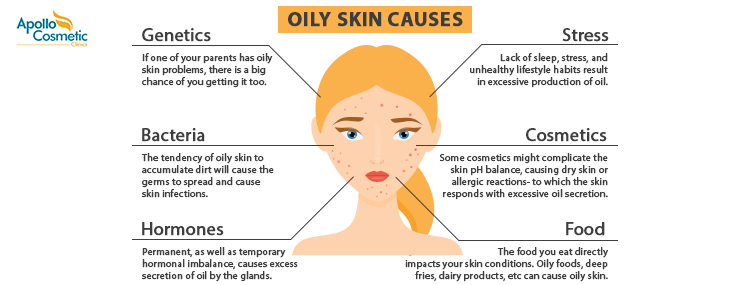
Oily skin results from overactive sebaceous glands, which produce excess sebum. Stress can exacerbate this condition by disrupting hormonal balances.
- Sebaceous Glands Overactivity: Stress activates the HPA axis, leading to an increase in cortisol production, which in turn boosts sebum production.
- Oily Skin Reaction: Those with inherently oily skin may notice an increase in oiliness when they are under stress. For example, exploring treatment options like Squalane vs. Argan Oil: Mediterranean Hydration Showdown can help you understand how certain ingredients may suit stress-exacerbated oily skin.
Case studies reveal that stress correlates with increased oiliness and acne flares, showing a link between psychological stress and skin oil levels. Explore the connection between stress and oily skin in this case study.
How Stress Triggers Oily Skin
Stress and anxiety pave a pathway for oily skin by elevating cortisol levels. Here’s how it happens:
- Cortisol’s Role: When cortisol binds to skin receptors, it stimulates sebaceous glands, increasing oil production.
- Visible Impacts: The results are often seen as shininess, more clogged pores, and a higher likelihood of acne due to increased oiliness.
Evidence from observational studies shows an association between anxiety, stress, and impaired skin function. The HPA axis also releases other stress-related compounds, escalating inflammation and hindering skin function. Explore more on stress effects on skin.
Practical Skin Care Routines to Combat Stress-Related Oily Skin
To manage oily skin related to stress, consider the following strategies:
- Gentle Cleansing: Use non-stripping cleansers twice daily to manage oil without disrupting your skin barrier. See recommendations for stressed skin care.
- Oil-Free Moisturizing: Opt for lightweight, non-comedogenic moisturizers that hydrate without adding oils.
- Stress Management: Incorporate meditation or exercise into your routine. These activities are shown to lower cortisol levels and reduce inflammation. You may also find additional stress-relief ideas in How to Use Aromatherapy in Your Skincare Routine.
- Lifestyle Changes: Ensure adequate sleep, a healthy diet, and avoid touching your face frequently to manage stress-induced skin issues effectively. For more insights on breaking the cycle of stress-related oily skin, check out Understanding Stress and Skin Care: How It Impacts Oily Skin and Solutions to Break the Cycle.
By incorporating these, one can develop a balanced skincare routine that combats stress-induced oiliness. Discover more calming skin care tips.
Expert Recommendations and Additional Resources
Experts emphasize the importance of addressing the brain-skin axis. Stress affects skin through local hormone production, which complicates skin health.
- Mind-Body Therapies: Practices like mindfulness can help control inflammation and stabilize skin conditions. Read about holistic strategies for stress-affected skin.
- Recommended Reading: For those interested in more detailed explorations, reviews on HPA axis dysregulation and stress’s dermatological links are worthwhile. Explore extensive scientific resources here.
Additionally, for a broader perspective on managing stress and oily skin, consider exploring The Connection Between Stress and Skin Care: Managing Oily Skin and Promoting Healthier Skin.
Conclusion
Stress has a prominent role in causing oily skin by increasing sebum production through cortisol. This often leads to inflammation and compromised skin barriers. Managing skin conditions effectively requires a combination of targeted skin care and stress reduction techniques.
We encourage adopting these strategies for a healthier, balanced complexion. As you integrate both skin care and stress management practices into your daily routine, you’ll find your skin’s resilience and health improve substantially.
Frequently Asked Questions
- How does stress affect oily skin? Stress increases cortisol levels which activate sebaceous glands and lead to excess oil production.
- What are effective ways to manage oily skin caused by stress? Incorporate gentle cleansing, oil-free moisturizers, and stress management activities into your routine.
- Can skincare products help improve stress-related skin issues? Yes, using non-comedogenic products can help mitigate the effects of stress on oily skin.