

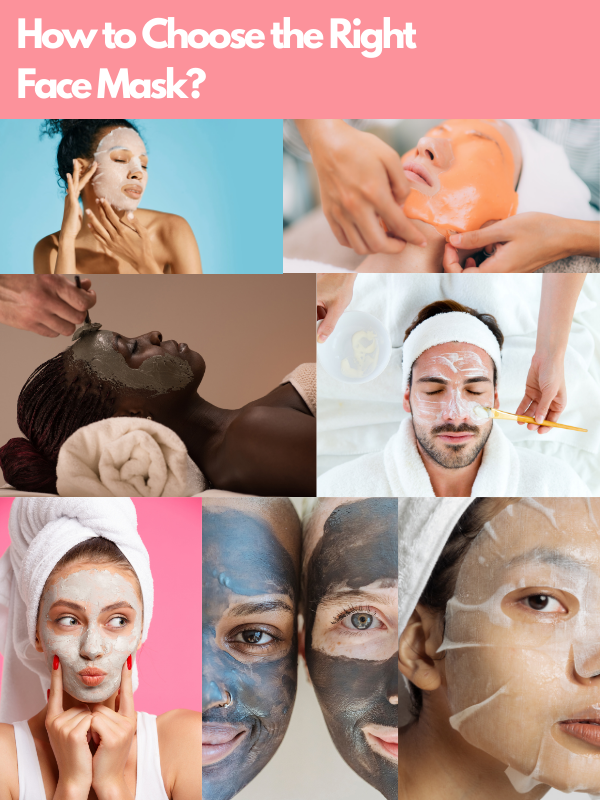
Facial Mask Types: A Comprehensive Guide to Choosing the Perfect Skin Care Solution
Estimated reading time: 8 minutes
Key Takeaways
- Facial masks are concentrated treatments addressing varied skin concerns.
- Different types of masks serve distinct purposes, such as hydration, oil control, and detoxification.
- Understanding skin types is essential for selecting the appropriate mask.
- Incorporating masks into your routine can enhance overall skin health and appearance.
- Experimenting with different masks can lead to discovering your skin’s unique needs.
Table of contents
Introduction
Facial mask types are concentrated skincare treatments designed to deliver targeted benefits to specific skin concerns. With so many different types of masks for skin available, finding the right one is essential for an effective skincare routine. Masks can provide deep cleansing, intense hydration, and even tackle signs of aging. Understanding these different types of skin masks is crucial for addressing specific skin issues and achieving desired results. For more insights on key ingredients in face masks, check out this resource.
Using different types of skin masks ensures that you can cater to diverse skin concerns effectively. Whether you need hydration, oil control, or something for combination skin, types of face masks in beauty routines have you covered. Understanding the benefits of various facial mask types helps you tailor your skincare regimen for optimal beauty results.
Overview of Facial Mask Categories
There are several types of beauty masks available in skincare, each designed to target specific concerns. The primary categories include clay masks, sheet masks, peel-off masks, cream masks, gel masks, and specialty masks.
- Clay Masks: Known for their ability to absorb oil and impurities.
- Sheet Masks: Provide convenience and intense hydration.
- Peel-Off Masks: Offer deep cleansing by removing dead skin cells and impurities.
- Cream and Gel Masks: Focus on delivering moisture and soothing effects.
- Specialty Masks: Include formulations like charcoal masks for detoxification.
Different kinds of face masks in skincare serve varied purposes, with each type of facial mask offering unique benefits. Understanding these distinctions in type of face mask skincare ensures you’re using products that best suit your needs.
Detailed Discussion on Different Types of Skin Masks
Clay Masks
Clay masks are ideal for oily and acne-prone skin types. They help by extracting excess sebum and unclogging pores. Formulated with ingredients like kaolin or charcoal, they effectively reduce acne breakouts and improve overall skin texture. These types of masks for skin are excellent for refining pore size and providing mild exfoliation.
- Extract excessive oils and impurities from pores.
- Improve skin texture and tighten pores.
- Reduce frequency of acne breakouts.
For sensitive skin, pink clay masks offer purifying benefits in a gentle formula. These should be used sparingly to prevent over-drying the skin. Learn more about natural clays used in facial masks here. [Source]
Sheet Masks
Sheet masks are perfect for normal to combination skin types, offering benefits of instant hydration and a convenient application process. They lock in moisture effectively, thanks to ingredients like hyaluronic acid, which are excellent for soothing and nourishing the skin.
- Deliver a surge of moisture quickly.
- Convenient for use during travel or tight schedules.
- Formulated with ingredients like antioxidants that enhance skin brightness.
Hyaluronic acid-based sheet masks are particularly effective for those in need of intense moisture absorption. [Source]
Peel-Off Masks
Peel-off masks provide deep cleansing benefits by trapping and removing impurities as they peel away. These different types of skin masks are perfect for refining skin texture and can even include antioxidant ingredients for extra benefits.
- Gently remove dead skin cells and impurities.
- Enhance skin clarity and brightness.
- May include antioxidants like grapeseed for reparative effects.
Peel-off masks can be an effective addition to a skincare routine, especially when aiming for clear and smooth skin. [Source]
Cream and Gel Masks
Cream and gel masks are known for their soothing and nourishing properties, making them perfect for dry and sensitive skin. They offer hydration, helping to rehydrate and calm the skin after exposure to harsh conditions.
- Provide deeply penetrating moisture.
- Soothe and hydrate sensitive or parched skin.
- Often used post-procedure for maximum recovery benefits.
These masks are an excellent choice for soothing tired or irritated skin. For additional ideas on soothing masks for sensitive skin, visit here. [Source]
Specialty Masks
Specialty masks, such as charcoal masks, cater to unique skincare needs like detoxification and mattification, which benefit oily skin significantly.
- Charcoal masks effectively detoxify and draw out impurities.
- Mattifying masks help control and balance excess oils.
These facial mask types are tailored to enhance specific skin benefits, providing a comprehensive approach to skincare. [Source]
How to Identify the Right Mask for Your Skin Type
Choosing the right type of face mask depends on understanding your skin type and its primary needs. Here’s how you can choose:
- Oily and acne-prone skin: Opt for clay or charcoal masks to control oil and cleanse pores deeply.
- Dry and sensitive skin: Hydrating masks and cream formulations are beneficial.
- Normal to combination skin: Sheet masks and exfoliating masks can maintain balance.
- Dull or tired skin: Brightening masks with ingredients like vitamin C can be ideal.
- Sensitive skin: Use gentle natural masks with soft but effective components.
All skin types can benefit from facial masks to improve overall skin health and appearance. [Source]
Comparison of Different Kinds of Face Masks for Skin Care
| Mask Type | Benefit | Best For | Application Time | Frequency |
|---|---|---|---|---|
| Clay | Deep cleansing, oil control | Oily and acne-prone skin | 3-5 minutes | 1-2 times weekly |
| Sheet | Instant hydration | All skin types | 10-20 minutes | 2-3 times weekly |
| Peel-off | Skin cell removal | All skin types | Varies | 1-2 times weekly |
| Hydrating | Moisture replenishment | Dry and sensitive skin | 10-15 minutes | 2-3 times weekly |
| Overnight | Intensive repair | Dry skin | Leave overnight | 2-3 times weekly |
| Charcoal | Detoxification, pore unclogging | Oily and acne-prone | 5-10 minutes | 1-2 times weekly |
This table highlights the varied benefits and usage frequency for each type of mask, ensuring you choose what’s best for your skincare goals. [Source]
Expert Tips and Application Techniques
For optimal results from your skincare routine, follow these expert tips on applying different types of skin masks:
- Always cleanse and tone before applying a mask to allow better absorption.
- Keep clay masks moist to prevent over-drying.
- Opt for refrigeration of hydrating masks to amplify their soothing effects.
- Layer sheet masks after cleansing but before moisturizing for best results.
- Try different masks weekly to cater to varied skin concerns. For an in-depth guide on usage and best practices, see this guide.
Routine mask application, suited to your skin’s needs, will enhance the effectiveness of a multi-faceted skincare approach. [Source]
Conclusion
Understanding facial mask types is crucial to achieving positive skincare results. Each mask type offers unique benefits tailored to specific skin concerns. By experimenting and incorporating different types of face masks into your routine, you can discover what works best for your complexion and enjoy healthier, glowing skin. Explore the world of facial mask types and transform your skincare routine by trying different masks tailored to your skin’s needs. For creative ideas to try at home, visit this link. [Source]
Frequently Asked Questions
What are the best face masks for oily skin?
Clay masks and charcoal masks are excellent choices for oily skin as they help absorb excess oil and detoxify the skin.
Can I use a sheet mask every day?
Yes, sheet masks can be used daily, but it’s best to choose a lightweight formula to avoid over-saturating your skin.
How long should I keep a peel-off mask on?
Follow the instructions provided with the mask, but generally, peel-off masks should be applied for 15-20 minutes before removing.
What should I do if my skin reacts to a mask?
If your skin reacts negatively to a mask, discontinue use immediately and apply a soothing product, such as aloe vera gel.
Can I use masks during pregnancy?
Consult with your healthcare provider before using any mask during pregnancy, particularly those with active ingredients.